
If you own a piece of unused property, you might not realize how serious the risks of vacant land can be. It’s easy to assume that because the land is just sitting there, it isn’t causing any harm. But the truth is, vacant land can slowly become a burden—draining your money, time, and energy. From unexpected legal issues to safety concerns, many landowners are caught off guard. Whether you inherited the land, bought it as an investment, or just never got around to using it, this article will show you why holding onto unused land may not be worth it. Let’s explore the risks you might be ignoring—and what you can do about them. Because if your land isn’t helping you, it might be hurting you.
One of the most overlooked risks of vacant land is the ongoing cost of property taxes. Even if you’re not building on or using the land, your local government still expects payment every year. For many owners, these taxes slowly add up—especially if the land isn’t generating income. Over time, what seemed like a small yearly payment can become a financial headache. Worse, falling behind on taxes can lead to liens or even the loss of the property altogether. Some counties also increase tax rates on undeveloped lots, considering them less productive. It’s not just about money; it’s about long-term consequences that most people don’t expect. That’s why many landowners eventually decide to sell. If your land isn’t giving you a return, it may be costing you more than it’s worth.

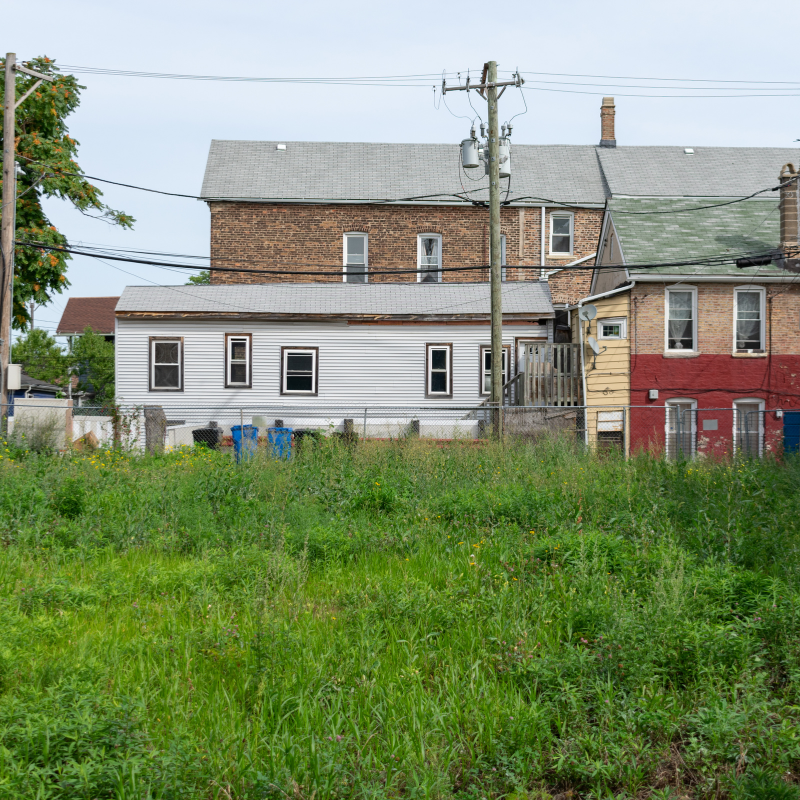
Another major concern among the risks of vacant land is physical deterioration. While land doesn’t have a roof that leaks or pipes that burst, it’s not maintenance-free. Over time, weeds grow, pests move in, and erosion can change the shape of the property. If someone gets injured on your land—yes, even trespassers—you could be held liable. The land could also become an illegal dumping ground without you even realizing it. These conditions can reduce its value and make it harder to sell later. Waiting too long could mean investing in cleanup or repairs just to list it. Keeping land “as-is” might sound simple, but in reality, nature doesn’t stand still—and neither do the problems.
Zoning laws can change without warning, and many owners only find out when it’s too late. Among the risks of vacant land, legal trouble is one of the most complicated. Maybe you bought rural land assuming you could build one day—only to learn that new restrictions have made that impossible. Or perhaps a neighboring property owner is encroaching on your boundary without you knowing. If you haven’t checked your title or surveyed your land in years, you may not even own what you think you do. Vacant land can become a magnet for confusion and conflict, especially if you live far away. This kind of uncertainty often leads people to consider selling instead of dealing with years of red tape.

The real estate market is unpredictable, and the risks of vacant land grow when values drop. While you might expect land to appreciate over time, that isn’t always the case—especially in remote or undeveloped areas. In some regions, vacant land loses value if there’s no nearby development, no demand, or if interest rates rise. If your land has been sitting for years, there’s a chance it’s worth less now than when you acquired it. Waiting for “the perfect time to sell” could backfire. Many owners hold onto land hoping the market will rebound, but end up stuck with a property no one wants. Selling when demand is steady—rather than waiting too long—can be the smarter move.

One of the biggest risks of vacant land is assuming it’ll be easy to sell when you’re ready. Unlike homes, land doesn’t attract as many buyers. There’s no kitchen, no photos of a cozy living room—just raw land, which often requires imagination and money to develop. Listings can sit for months, even years, especially if the land is in a rural area or lacks utilities. If you’re relying on a real estate agent, expect commissions and longer timelines. That’s why many landowners look for direct land buyers—companies like Revasa Land—who make fair offers and eliminate the middleman. If selling feels overwhelming, it might be because you haven’t found the right way to do it.

Now that you understand the risks of vacant land, it’s time to ask yourself: is it worth holding onto? If your land has become a stress, we can help. At Revasa Land, we specialize in buying vacant land—no agents, no commissions. If you’re ready to explore your options, contact us today for a free property evaluation and a fair, no-obligation offer. Your land doesn’t have to sit unused. Turn it into something valuable.