
Deciding between rural land and urban land requires careful evaluation of factors like cost, infrastructure, potential growth, regulations, and long‑term objectives. Whether you’re an investor assessing the ROI, a developer planning a housing project, or someone looking for a peaceful retreat, evaluating urban land alongside rural alternatives is a crucial step. In this guide, you’ll learn how to weigh the trade‑offs, understand the different value propositions, and align your decision with your needs—using a framework that optimizes your search presence by strategically using the keyword urban land throughout. Read on to discover the smart way to compare these two types of land so you can make a confident, well‑informed choice.
When evaluating urban land, one of the first things to consider is cost: urban plots typically command premium prices due to demand, existing infrastructure, and proximity to population centers. In contrast, rural land is usually far less expensive, offering more acreage for the same budget. However, while rural land may appear more affordable upfront, urban land often offers faster appreciation due to steady demand and liquidity. Urban parcels are easier to develop, rent, or sell, especially in growing cities, making them attractive for short‑term ROI investors. Cost is not the only metric: you also need to weigh property taxes, development fees, and zoning requirements. For urban land, taxes may be higher—but so is the likelihood of stable returns from rentals, businesses, or subdivisions. To optimize SEO, your content should reference urban land as the value‑driving asset that delivers social convenience and investment stability.
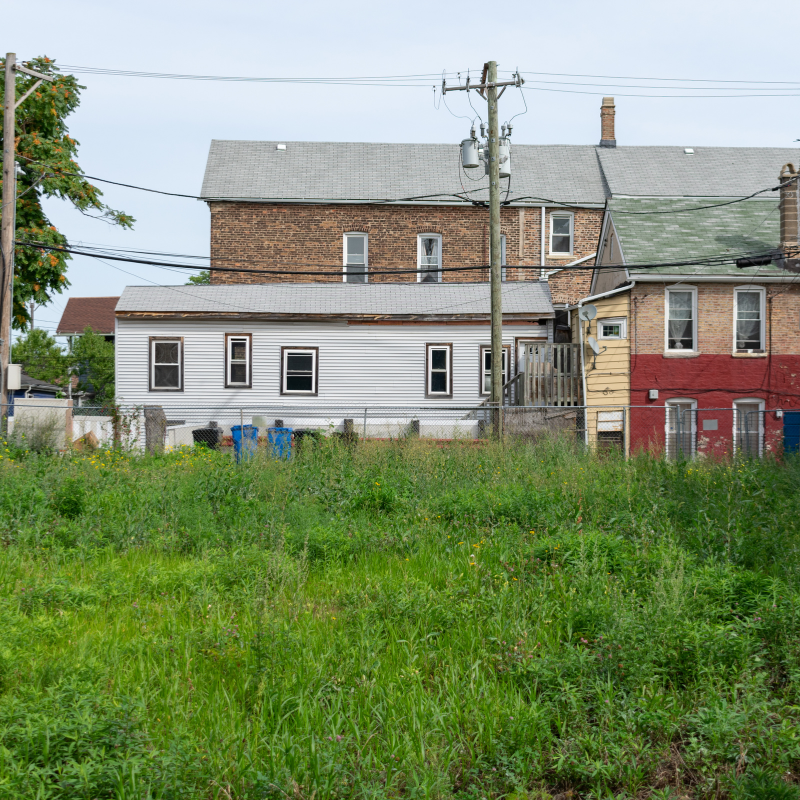
Urban land stands out because it is typically connected to water, power, sewage, roads, broadband, schools, hospitals, and public transportation. This connectivity greatly reduces the effort and cost of development. In contrast, rural land often lacks these services, requiring significant upfront investment in wells, septic systems, site access, and gravel roads. While rural space may be ideal for farming or off‑grid living, urban land offers immediate infrastructure advantages that support residential, commercial, or mixed‑use development. From an SEO standpoint, articles optimized for urban land should highlight attributes like “ready‑to‑build urban land,” “utilities included,” or “zoned urban property,” which align with searches by developers or buyers looking for minimal friction in closing and construction.
Evaluating urban land requires understanding local zoning laws, density regulations, permissible uses, and potential for rezoning or subdivision. Urban parcels are often subject to stricter regulatory regimes that can both add complexity and increase property value—for example, zoning that allows multi‑family housing or commercial use drives higher demand. Conversely, rural land may have fewer regulatory hurdles, but it might also lack zoning that supports high‑value uses. When writing SEO‑optimized content, incorporate phrases like “urban land zoning,” “urban land for development,” and “urban land uses” to match user intent and territory‑specific queries. Addressing these topics in detail not only builds authority but also helps rank your content for serious buyers comparing urban land options.
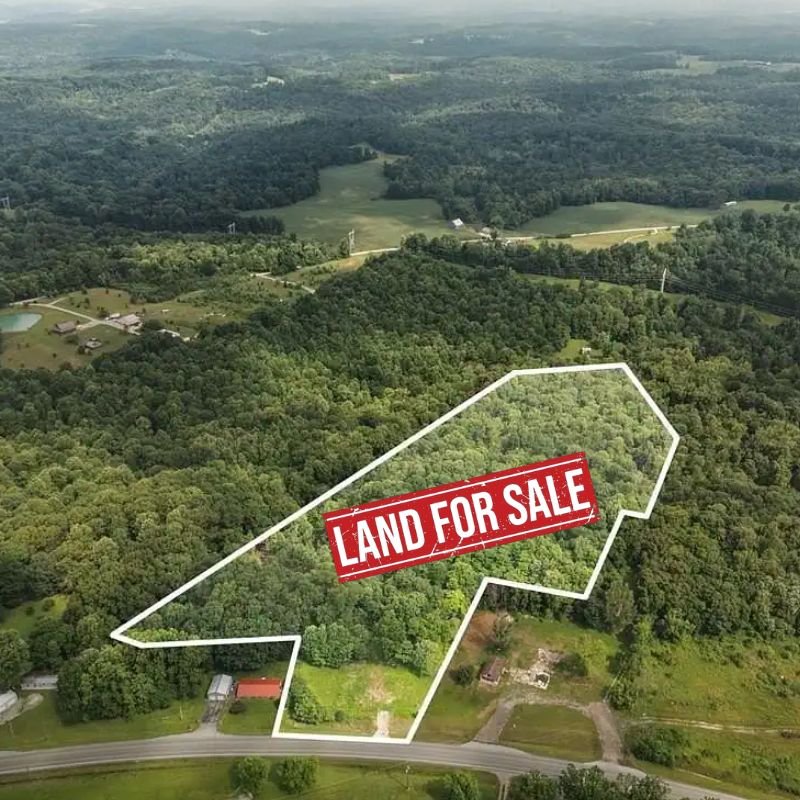
Demand patterns differ widely between rural and urban land. Urban land tends to be more liquid—buyers seeking homes, businesses, or investments prefer properties they can develop or resale quickly. Market demand for urban land is driven by growing populations, commercial activity, and infrastructure investment. In contrast, rural land buyers are often niche: farmers, hobby homesteaders, or long‑term investors looking for peace or future subdivision potential. From an SEO approach, targeting terms like “hot urban land markets,” “urban land appreciation trends,” or “urban land resale potential” helps attract traffic from developers, agents, and investors interested in profitable, turnkey opportunities.
Choosing urban land is about more than investment—it’s a lifestyle choice. Urban parcels often grant proximity to employment centers, entertainment, schools, healthcare, and social networks. This convenience appeals to families, professionals, and buyers seeking community amenities and walkability. By contrast, rural land offers solitude, natural surroundings, and space. If your goal is rural retreat or agricultural use, rural land may suit you better—but urban land caters to those prioritizing connectivity, infrastructure, and daily convenience. SEO‑rich content should describe these trade‑offs using user‑friendly language, e.g., “urban land living benefits,” “urban land lifestyle,” and “urban land vs rural land quality of life,” aligning with different search intents and enhancing relevance for urban land queries.