
Is your land an asset or a liability? If you’ve ever found yourself with land you don’t use, you’re not alone. Many people inherit or buy land with grand plans, only to find years later that it sits there—unused, unproductive, and costing money. It’s a classic case of a land asset or liability dilemma: what once seemed like a smart investment can turn into an unexpected expense. From annual property taxes to maintenance and legal responsibilities, vacant land can quietly become a burden. But the good news is that your land doesn’t have to stay that way.
Understanding whether your land is helping you or hurting your finances is the first step to making a smarter decision. In this article, we’ll break down what makes a land asset or liability, the signs to watch for, and what your options are if your land is working against you. If you’re ready to stop guessing and start acting, keep reading. Your property might be worth more than you think — or costing you more than it should.
Land is often marketed as a smart investment — and it can be. When land appreciates in value, is in a high-growth area, or can generate income, it’s clearly a land asset or liability worth reviewing carefully. But not all land holds its value or brings returns. If your land is in a rural area with no development plans, no access to utilities, or zoning restrictions, it may actually cost you more in the long run.
A true land asset brings potential: resale value, development opportunities, or rental income (like farming or cell tower leases). However, when land just sits there — with no real use or financial benefit — it slowly becomes a liability. Think of things like property taxes, code enforcement issues, weed abatement fines, or even trespassing problems.
The key is understanding whether your land is giving back or draining your resources. Evaluating your land as an asset or liability isn’t just about the market — it’s about how the land fits into your life, your goals, and your wallet.
At first glance, vacant land seems like a low-maintenance investment. But over time, it can quietly accumulate costs that outweigh its value. This is one of the biggest ways people find out their property is more of a land asset or liability.
Let’s talk about taxes. Property taxes are due every year — whether you use the land or not. Add to that possible HOA fees, city or county assessments, or penalties for unpaid taxes, and the expenses can snowball. If your land is not in a desirable location or lacks improvements, it might not be appreciating — but you’re still paying.
Then there’s maintenance. Even empty land needs occasional clearing, fencing, or erosion control to comply with local regulations. Ignoring it could lead to citations or even legal action. And don’t forget liability: if someone gets injured on your property, you might be responsible.
These hidden costs quickly make it clear whether your land is truly an asset or liability. And for many landowners, the answer is more surprising than they expected.

So how do you know if it’s time to let go? If your land isn’t serving a purpose, generating income, or rising in value, it might be time to re-evaluate its role in your financial life. Many landowners hold onto property simply because they’ve always had it — not because it’s helping them.
One clear sign that your land asset or liability has become a burden is when you’re putting money in but getting nothing out. Another sign is if you’ve had it for years with no clear plans to develop, build, or use it.
Other red flags include legal complications, such as title issues or disputes with neighbors, or zoning restrictions that limit what can be done on the land. If the cost and stress of keeping the land outweigh its benefits, selling might be your smartest option.
Remember, land should work for you — not against you. If it’s draining your time, energy, or finances, it may be time to consider selling and redirecting those resources elsewhere.
Every piece of land is different. The best way to determine whether your property is a land asset or liability is through a professional evaluation. This includes a market analysis, zoning and access review, tax history, and a comparison of similar sales in the area.
Start by asking: Is my land in demand? Does it have access to roads, electricity, or water? What are similar parcels selling for? Are there any legal restrictions or back taxes?
At Revasa Land, we offer landowners a free, no-obligation property evaluation to help answer these questions. Knowing the facts helps you avoid sitting on a liability for years — or selling too low when it’s actually an asset.
Don’t rely on guesswork. A clear evaluation will help you understand what your land is really worth and what options make the most sense for your situation. Whether you decide to keep it or sell, you’ll move forward with confidence.
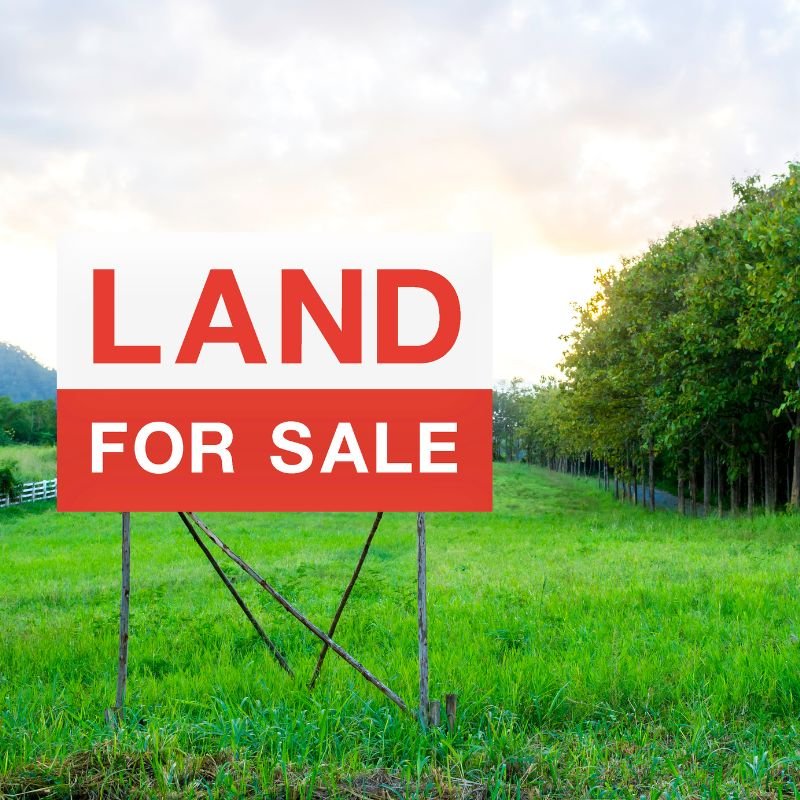
If your land feels more like a burden than a benefit, you’re not alone — and you do have options. At Revasa Land, we specialize in working with landowners who are ready to stop paying for property they no longer use. Whether your parcel is remote, overgrown, or just sitting idle, we’ll help you assess whether it’s a land asset or liability, and offer you a fair solution.
There’s no need to list it with a realtor, pay commissions, or deal with months of uncertainty. We buy land directly from owners like you — no hidden fees, no pressure. We take the time to understand your property and situation before making an offer.
Turning your land liability into cash can be a smart financial move. Use the funds for something that matters to you — whether that’s family, retirement, or new investments. It all starts with a conversation.
Still unsure whether your property is a land asset or liability? Let’s find out together. At Revasa Land, we make it easy for landowners to understand the true value of their property. If you’re ready to stop paying taxes on unused land or simply want to explore your options, we’re here to help. Contact us today for a free, no-obligation land evaluation and discover what your land could really be worth.