
Ever wondered what is zoning and why it matters for your land? If you own vacant land or are thinking about selling it, zoning could be the key to unlocking its true value—or a hidden barrier keeping you from making the most of it. Zoning laws control how land can be used, and understanding them can help you avoid costly surprises, delays, or lost opportunities. Whether you’re planning to build, sell, or just explore your property’s potential, zoning plays a huge role. In this article, we’ll break down what is zoning, how it works, and how it directly affects what you can and can’t do with your land. We’ll keep it simple, straight to the point, and give you the insights you actually need. And if you’re thinking of selling, stick around—we’ll show you how to take the next step.
Let’s start with the basics: what is zoning? Zoning is a set of local laws that determine how your land can be used. Cities and counties divide areas into “zones” like residential, commercial, industrial, or agricultural. Each zone comes with specific rules. For example, you may not be allowed to build a store in a residential zone, or you might need a permit to add a second house on a lot. The idea is to create an organized, safe, and functional layout for communities.
Understanding what is zoning helps you know what your land is legally allowed to be used for, and what’s not permitted. Zoning rules can impact property value, building options, and future resale. They might even affect your ability to sell the land. Before making any decision—especially selling—it’s smart to review your land’s zoning classification. This ensures you avoid delays and surprises.
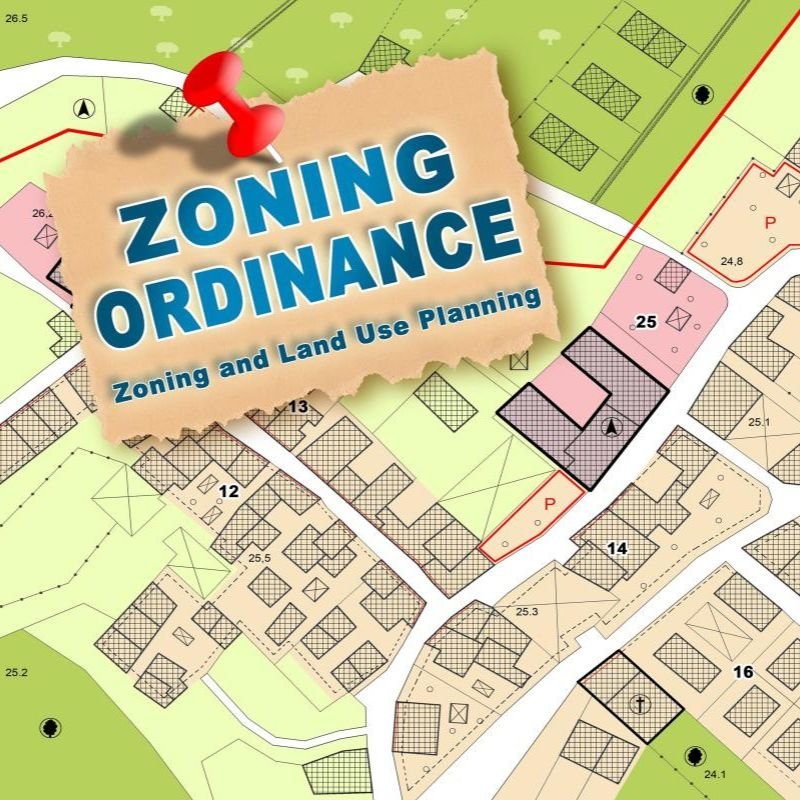
So how exactly does zoning affect you as a landowner? Once you understand what is zoning, you’ll see how it shapes every decision about your property. Zoning laws can limit what you can build, where you can build it, and even whether your land can be divided or developed.
If your land is zoned for agriculture, for instance, it may not be suitable for housing or business use—unless a zoning change is approved. This impacts buyers too. Most buyers want land that’s already zoned for their intended purpose. That means your land’s zoning can influence how attractive it is to potential buyers and how much they’re willing to pay.
Knowing what is zoning puts you in a stronger position to negotiate, plan, and market your land effectively. It’s not just about rules—it’s about maximizing your land’s value and future potential.
One of the most common questions landowners ask after learning what is zoning is: “Can I change it?” The answer is yes—but it’s not guaranteed. Zoning changes, or “rezoning,” typically involve a formal application, a review by the local government, and sometimes public hearings.
You’ll need to show why the change makes sense for the community and doesn’t conflict with local plans or regulations. While it’s possible, rezoning can be time-consuming and may require professional help.
That said, it can also dramatically increase the value of your land. For example, land rezoned from agricultural to residential or commercial can become far more marketable. So once you know what is zoning, it’s worth checking whether a rezoning could benefit you—especially if you plan to sell.

If you’re wondering what is zoning on your own land, there are a few simple ways to find out. You can usually check with your city or county’s planning department. Many local governments offer online zoning maps or property search tools. You’ll just need your parcel number or address.
The zoning code will tell you the category (like R-1 for single-family homes or C-2 for commercial) and any restrictions. Some properties also have overlays or special conditions. Once you’ve identified your zoning, it’s easier to understand your land’s potential—and any limits you might face.
Selling vacant land doesn’t have to be complicated—but zoning is one of the first things to check. If you’re ready to move forward and want a fair, honest offer, Revasa Land is here to help.
We specialize in buying vacant land—no agents, no commissions. Just a clear process that starts with a free property evaluation.
Have a piece of unused land you’re thinking about selling? Contact us today and let’s find out what your land is really worth.